Food Delivery Platform Explained: How It Actually Works Today
Curious about how your dinner finds its way to your doorstep within seconds? The evolution of the food delivery platform has revolutionized eating, ordering, and even consuming meals.
Everything feels faster and easier thanks to technologies such as menu browsing and even tracking orders.
Companies like JUST EAT have done their bit to make this a reality that everyone gets to experience every day.
Something that took phone calls and waiting around before is now something done effortlessly through one’s smartphone. This blog post aims to shed some light on what the food delivery platform is all about, its functionality, and its importance.
What Is a Food Delivery Platform in Today’s Digital Dining Ecosystem?
The food delivery platform is the digital connection between the customer, the restaurant, and the delivery partner in a single framework.
The food delivery platform is an integral component of the food delivery system that enables the user to browse through various restaurants, make orders, and receive deliveries without any direct contact with the restaurant itself.
It works as a digital marketplace where many different dining experiences are provided to the customer in a single platform. Rather than contacting restaurants separately, the customer just has to go through the menu, choose, and order directly.
How Food Delivery Platforms Actually Work Behind the Scenes
A food delivery platform is built on an efficient system that links together the users, restaurants, and delivery partners at all times. Below are some of the stages involved in the process.
- Browse and Select: The users launch the app, go through the menu of various restaurants, and select the foods that they wish to order.
- Ordering Food: The order is processed and sent to the restaurant through an online ordering system.
- Processing the Order in Restaurant: The restaurant gets the orders, processes them and then prepares the food.
- Assignment of Delivery Partner: After being prepared, the food is picked up and delivered to the users’ location.
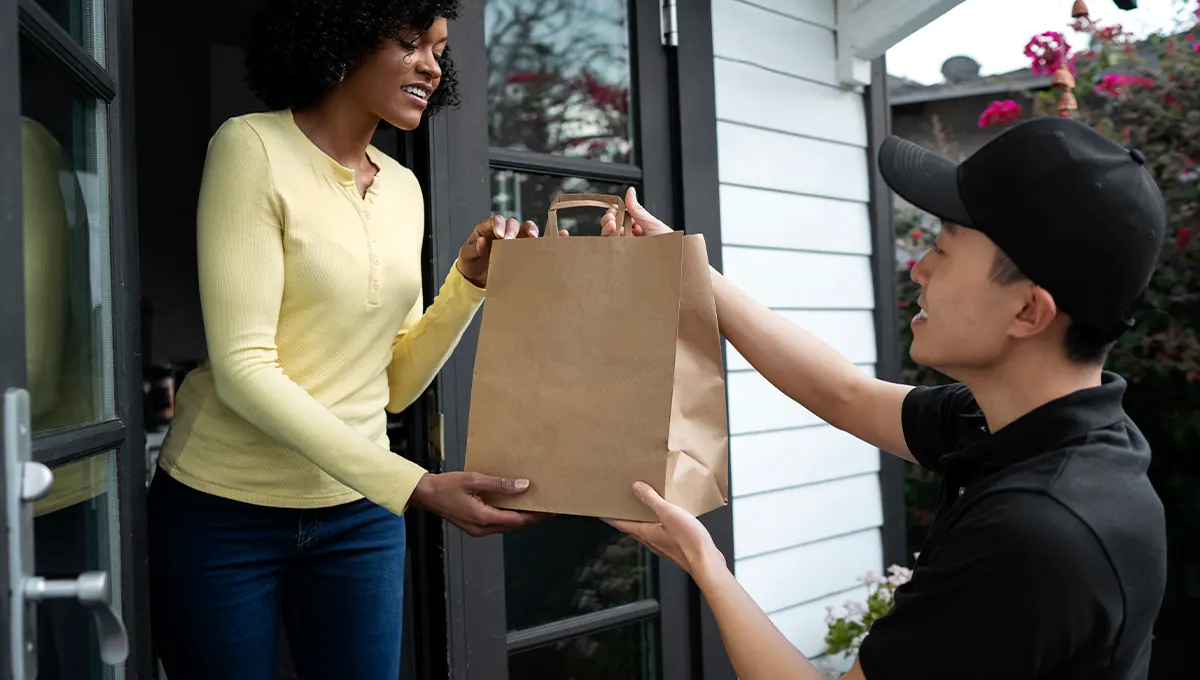
- Food Pickup and Delivery: The food is picked up by the delivery partner who then delivers it to the user’s location.
- Live Tracking: This allows users to track the progress of their order from the moment they placed it till it is delivered to them.
- Payment: Payments for the delivery service are also made online in a secure manner.
These are some of the stages involved in using the food delivery platform.
Key Types of Food Delivery Models You Should Know
Food delivery platform ecosystems work in various ways. Aggregation platforms include several restaurants in their marketplace so that customers are able to pick freely from them. The restaurant-owned delivery platforms handle the logistics themselves. Hybrid food delivery platform ecosystems comprise a combination of both approaches above. Different kinds of food delivery platform ecosystems facilitate the process in different ways.
Why Food Delivery Platforms Have Become So Popular
What makes a food delivery app popular is the ease and efficiency it offers. No longer do people have to prepare meals or go out to eat at restaurants; rather, they have adopted food delivery through the internet as part of their lifestyle.
This is because they offer a variety of options, up-to-date information, and convenient payments. The rise in digital marketplaces has even facilitated smaller restaurants to attract more customers.
How Food Delivery Apps Shape User Behavior and Decision Making
The online food delivery platform is much more than an instrument for food ordering as it shapes users' eating preferences through various elements. In particular, food delivery applications incorporate personalization engines that make use of browsing history and previous orders to recommend certain dishes and menus. Thus, food delivery platforms facilitate the decision-making process and make users act impulsively.
At the same time, certain features such as the star rating and other tags can play a significant psychological role when it comes to making decisions. Namely, users are prone to choosing places with high ratings and special tags such as "Popular Near You" even if they have never used them before. Therefore, one can conclude that there is no clear distinction between functionality and behavioral design in the case of online food delivery platforms.
Eventually, the application becomes an integral part of users' routines.
Operational Complexity Behind Food Delivery Platforms
- Food delivery applications involve several systems that work simultaneously during their operations such as ordering, dispatching, and monitoring.
- Once an order is placed through a food delivery application, it will connect restaurants, drivers, and clients immediately.
- Online food delivery depends on algorithms to maintain a proper supply-demand balance as well as distributing orders effectively.
- Drivers will be allocated based on their location, traffic situations, and amount of work load.
- The online marketplace will operate automatically to manage several restaurants with different cooking times.
The Future of Food Delivery Platforms
For the food delivery platform in the future, technology will play an even more prominent role. Recommendations based on artificial intelligence, better routes for deliveries, and faster networks are making things more efficient.
The growth of cloud kitchens means that food delivery is reaching more people online, while smart food delivery applications have become more personalized. In the coming years, these applications will increasingly evolve into comprehensive digital marketplace offerings.
Conclusion
The current food delivery platform has revolutionized our daily dining experience by turning everything into an easy digital activity. From ordering to following up on the delivery process, everything is now done in just a few clicks.
Companies like JUST EAT provide a glimpse of the power of technology and convenience in transforming our eating practices and assisting small and big restaurants alike.
The trend of online food delivery is here to stay, and such platforms will get even more advanced with each passing day. It’s not too late to explore the capabilities of a good food delivery platform.
FAQs
- What is the most used food delivery platform?
The most used food delivery platform is typically DoorDash, due to wide restaurant coverage, fast delivery, and strong app usability.
- What’s the cheapest food delivery platform?
The cheapest food delivery platform varies by location, but Uber Eats and Grubhub often offer discounts, promos, and membership savings.
- What is the best alternative to DoorDash?
Top alternatives to DoorDash include Uber Eats, Grubhub, and Postmates, depending on availability, pricing, and restaurant selection in your area.
- Which platform is best for delivery?
The best food delivery platform depends on speed, restaurant variety, and fees, with Uber Eats and DoorDash generally leading performance.


