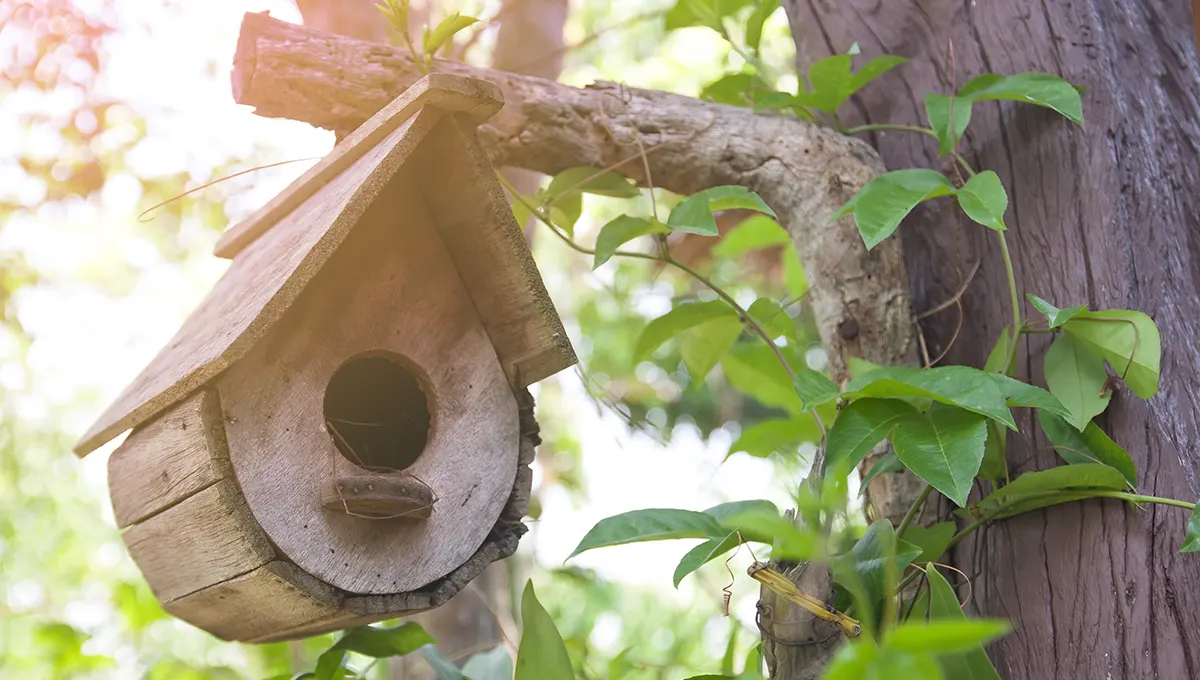
Wooden Bird Houses Complete Guide to Choosing, Building and Outdoor Care
Picture yourself observing winged friends flit into a warm and welcoming home that you have designed specifically for them. A wooden bird house provides just that kind of delight while also providing a secure place for birds to nest. Whether you are searching for the perfect handmade bird house on Etsy or setting out to build your own birdhouse from scratch, it is important to understand what constitutes a perfect bird shelter.
Birds are not easily won over by just any box; they have specific needs in mind when it comes to a nesting box. This article will take you through all that you need to know so that your bird house becomes a haven for the birds that you are trying to attract.
What Is a Bird House?
A bird house or bird nesting box is a constructed shelter that imitates the natural nesting holes that some bird species require for breeding. Unlike garden decorations, a bird house has certain criteria that help birds’ needs in terms of ventilation, drainage, and protection from predators. Wooden bird houses are the best in natural habitats since wood is a better temperature regulator compared to plastic or metal.
In the past, bird nesting boxes have been used by conservationists and bird lovers to increase the success rate of nesting. Apart from providing shelter, bird houses can be an important supplement for cavity-nesting birds that find it difficult to locate natural habitats due to destruction of the environment.
How Wooden Bird Houses Benefit Backyard Birds
Wooden bird houses are essential nesting boxes that help cavity-nesting birds such as wrens, chickadees, and bluebirds find a safe haven, especially when natural tree cavities are becoming scarce. A wooden bird house with the right design will offer insulation from the elements, giving birds a chance to develop in a stable environment.
Natural wood that is not treated is also free from chemicals that could leach into the living area, making it safe and healthy for the birds. Wooden bird houses are also more easily modified to suit the needs of different bird species, such as hole size and nesting area. When designed properly, these bird houses give birds a chance to succeed in your backyard while giving you a chance to connect with nature every year.
Key Features of the Best Bird Houses
To make or select the best bird houses involves consideration of a number of key factors that directly affect the comfort and security of the bird:
- Material Matters: Using high-quality, untreated wood promotes natural insulation, weather protection, and bird safety while avoiding exposure to harmful chemicals and structural degradation.
- Proper Entrance Hole Size: Using the right size hole determines bird entry, safeguards against predators, and prevents injuries or overcrowding.
- Ventilation and Drainage: Using proper ventilation and drainage promotes a dry interior, prevents injuries or damage from extreme temperatures, and safeguards eggs and nestlings from harsh weather.
- Size and Proportions: A well-balanced interior size offers sufficient nesting area without being too open, allowing the birds to feel secure yet still move naturally and raise their young.
- Easy Cleaning Access: Easy-to-remove panels or roof sections make it easy to clean out the nesting box on a seasonal basis, eliminating parasites and ensuring a clean, bird-friendly environment that invites repeat use.
By incorporating all of these elements, you can ensure that your bird house is more than just a pretty face, it’s a functional nesting box that birds will love.
Choosing and Customizing the Right Bird House
Choosing the appropriate bird house involves matching the design to the requirements of the birds you wish to attract. First, observe which birds are most prevalent in your environment and modify the bird house accordingly. For smaller birds, a smaller interior is ideal, while larger birds require larger openings and greater space.
Personalization can be done to make the bird house more attractive, such as painting it with non-toxic and weather-resistant colors, engraving designs, or adding predator guards. Yet, these modifications must not compromise the bird house's functionality, such as airflow, drainage, or stability. A well-designed bird house will ultimately provide a safe and functional environment that promotes the success of nesting and the return of visitors year after year.
DIY Guide Build a Handmade Wooden Bird House
|
Tools |
Materials |
|
Saw |
Untreated wood panels (cedar or pine) |
|
Drill with hole saw bits |
Weather-safe non-toxic finish |
|
Measuring tape / ruler |
Exterior wood sealant (optional) |
|
Sandpaper |
Outdoor-grade screws or nails |
- Measure and Cut Panels: A box size of about 6″ deep and 4-6″ wide will be ideal for small songbirds. Larger birds will require a bigger box.
- Drill Entrance Hole: Place it on the front panel about 4-6″ above the floor. A hole saw bit of the desired size, about 1¼″ for small birds, works well. Edges can be smoothed with sandpaper.
- Assemble Box: Attach the sides with weather-resistant screws. Small holes for ventilation near the top and drainage holes in the floor are also necessary.
- Add Roof and Finish: A sloping roof will prevent rain from accumulating. A non-toxic finish on the outside only will be sufficient. The inside, of course, should be left natural.
- Make Cleaning Access: A hinged roof or a removable side panel will allow you to clean out the box each year by removing the old nesting material.
This do-it-yourself project will enable you to create a bird house that is both functional and meaningful.
Placement and Maintenance Tips
Where you install your bird house is as important as the bird house itself. Install the bird houses in a location between 5-15 feet high with an open flight path to the bird house entrance and preferably not in areas of high predator activity. Installing the bird houses on poles with predator guards is safer than installing them on thin tree branches.
Turn the bird house to face away from the direct afternoon sun and wind to maintain a consistent environment inside the bird house. Clean out the bird houses at the end of every season to eliminate parasites and nesting material, making the bird houses more attractive to visitors.
Conclusion
A well-crafted wooden bird house not only adds to the beauty of your garden but also provides a much-needed sheltering system that promotes the success of cavity-nesting birds. Whether you opt for a professionally made bird box from Etsy or choose to make one yourself, the key to success lies in incorporating the right elements and following a proper maintenance strategy.
By doing so, you will be able to create a haven that promotes bird life year after year. Now that you know the importance of a bird house, it is time to take the next step and opt for a bird house that symbolizes your commitment to quality and longevity.


